
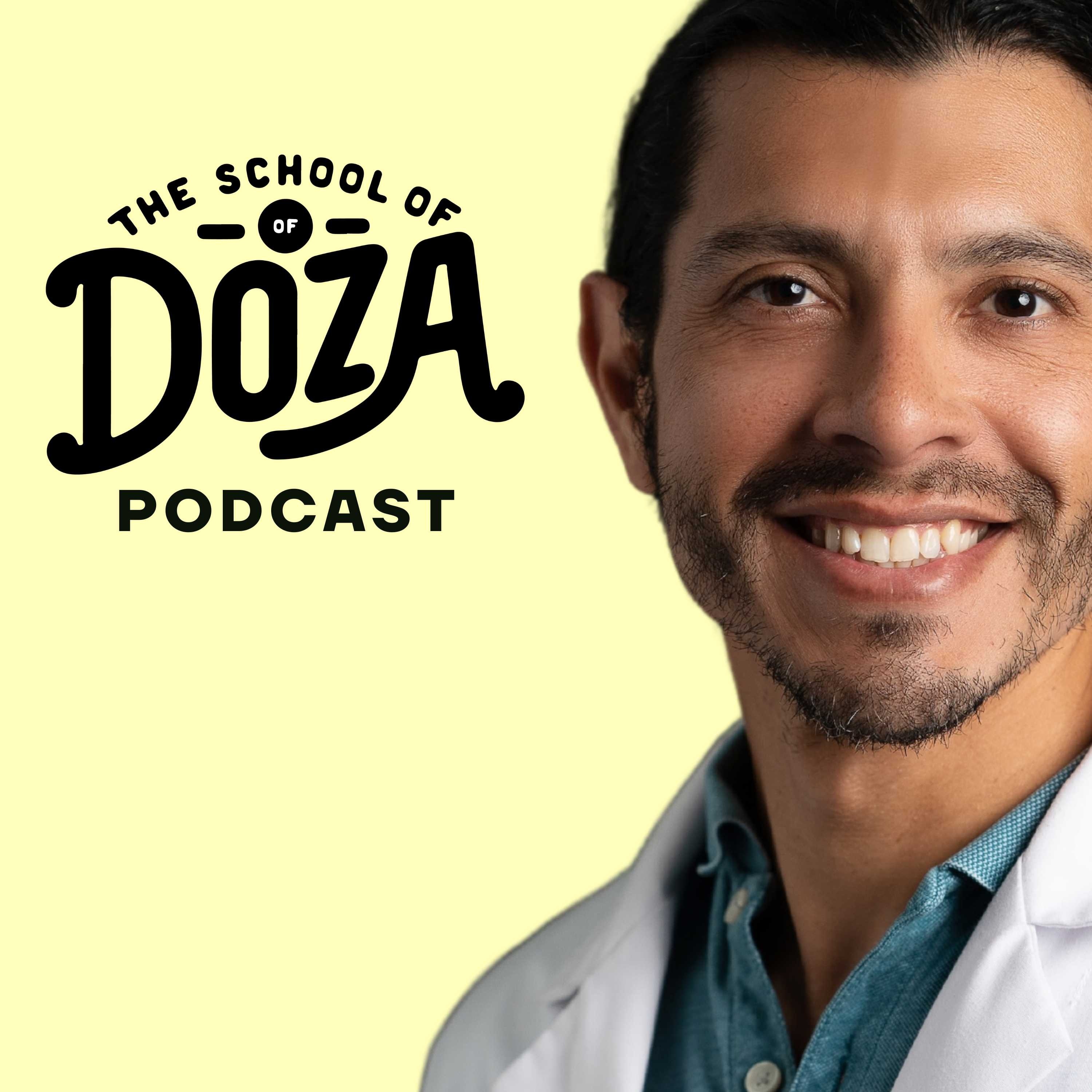
Nurse Doza’s Podcast comes to life in a very interactive way. Sure you can listen to the podcast, but this is just the beginning of your education in health. Every week, Nurse Doza dives into new health subjects and encourages you to submit your questions to be answered on the podcast, newsletter, YouTube, LinkedIn, and every other way that you like to take in educational media.
Episodes
Wednesday Apr 26, 2023
Wednesday Apr 26, 2023
In this episode of the SOD podcast, NURSE DOZA focuses on gut health and how to restore it. He dives into the topic of gut health and explains the essential role that the gut plays in overall health. He discusses how the gut can get messed up and offers practical tips for restoring gut health. The episode concludes with the host urging listeners to prioritize gut health and providing resources for further education.
TIMESTAMPS:
00:00 POD BEGINS
02:34 Fasting for gut restoration.
04:30 The benefits of fasting.
07:24 Leaky Gut Syndrome.
11:56 Healing the digestive tract.
15:50 Gut health and microbiome.
19:11 Antibiotics killing good bacteria.
21:56 Healthy microbiome and probiotics.
25:28 Restoring gut health.
29:11 Gut health and L-glutamine.
33:07 Anti-nutrients in common foods.
37:09 Gut Health and Fermented Foods.
40:36 Gut Health Tips.
This episode is brought to you but Gut by MSW Nutrition: Get 10% by clicking the link
https://www.mswnutrition.com/products/gut?ref=NURSEDOZA
REFERENCES:
“IF enhances parasympathetic activity (mediated by the neurotransmitter acetylcholine) in the autonomic neurons that innervate the gut, heart, and arteries, resulting in improved gut motility and reduced heart rate and blood pressure.”
“Levels of oxidative stress and inflammation are reduced throughout the body and brain in response to IF.”
“Finally, in addition to its many effects on cells throughout the body and brain, IF may elicit changes in the gut microbiota that protect against MS (Tremaroli and Backhed, 2012).”
“The link between the microbes in the human gut and the development of obesity, cardiovascular disease, and metabolic syndromes, such as type 2 diabetes, is becoming clearer. “(2)
Studies: _Fasting: Molecular Mechanisms and Clinical Applications
https://www.ncbi.nlm.nih.gov/pmc/articles/PMC3946160/_(1)_______
Functional interactions between the gut microbiota and host metabolism https://pubmed.ncbi.nlm.nih.gov/22972297/(2)
“Longitudinal studies in patients with IBD suggest that increased intestinal permeability preceded relapsed of Crohn’s disease,[55] suggesting a pathogenetic role of the epithelial barrier in the pathogenesis of gut inflammation; in addition, IBS is highly prevalent in first-degree relatives of IBD patients,[56] suggesting that intestinal permeability could be a relevant factor in the determination of symptoms.” (1)
Studies: _The Leaky Gut: Mechanisms, Measurement and Clinical Implications in Humans https://www.ncbi.nlm.nih.gov/pmc/articles/PMC6790068/ (1)
Studies: _Microbiome and Gut Dysbiosis https://pubmed.ncbi.nlm.nih.gov/30535609/(1)
Gut Microbiome Dysbiosis and Immunometabolism: New Frontiers for Treatment of Metabolic Diseases https://www.ncbi.nlm.nih.gov/pmc/articles/PMC6304917/(2)
Probiotic Species in the Modulation of Gut Microbiota: An Overview https://www.ncbi.nlm.nih.gov/pmc/articles/PMC5964481/(3)
Studies: A Randomized Placebo-Controlled Trial of Dietary Glutamine Supplements for Post-Infectious Irritable Bowel Syndrome https://www.ncbi.nlm.nih.gov/pmc/articles/PMC9549483/(1)
Glutamine, as a precursor of glutathione, and oxidative stresshttps://pubmed.ncbi.nlm.nih.gov/10356308/(2)
Studies: ___Gut Microbiome Dysbiosis and Immunometabolism: New Frontiers for Treatment of Metabolic Diseases
https://www.ncbi.nlm.nih.gov/pmc/articles/PMC6304917/_(1)_____
Modern perspectives on the health benefits of kefir in next-generation sequencing era: Improvement of the host gut microbiota https://pubmed.ncbi.nlm.nih.gov/29336590/ (2)
The fermented-food diet increases microbiome diversity, decreases inflammatory proteins, study finds
Gut-microbiota-targeted diets modulate human immune status
https://www.cell.com/cell/fulltext/S0092-8674(21)00754-6(4)
Avocado Consumption Alters Gastrointestinal Bacteria Abundance and Microbial Metabolite Concentrations among Adults with Overweight or Obesity: A Randomized Controlled Trial https://academic.oup.com/jn/article/151/4/753/5893497(5)
LECTINS: https://www.hsph.harvard.edu/nutritionsource/anti-nutrients/lectins/(6)
Wednesday Apr 19, 2023
Wednesday Apr 19, 2023
In this episode of the School of Doza podcast, Nurse Doza discusses thyroid health, including hypothyroidism and Hashimoto's disease. He emphasizes the commonality of these conditions and provides advice for navigating them. Nurse Doza also explains the thyroid's role in the body and offers tips for improving thyroid function. The episode aims to provide listeners with knowledge and tools to optimize their health and transform their lives
Get 10% OFF MSW NUTRITION Supplements by use code NURSE DOZA
https://www.mswnutrition.com/products/liver-love?ref=NURSEDOZA
SIgn Up for The Nurse Doza Newsletter
https://www.mswnutrition.com/blogs/msw
TIMESTAMPS:
00:00 CLASS IS IN SESSION
00:59 Thyroid Dysfunction & Hashimoto's
[00:03:41] Hashimoto's autoimmune disorder
[00:07:22] Hashimoto's and inflammation
[00:11:22] Hashimoto's and inflammation
[00:15:11] Hashimoto's and thyroid disorders
[00:17:40] Hashimoto's and TSH
[00:21:07] Thyroid Antibodies and Medication
[00:24:22] Hashimoto's and thyroid medication
[00:27:56] Stress and its effects
[00:31:31] Hashimoto's and the liver
[00:35:13] Liver health and inflammation
[00:38:26] Liver Love Supplement.
NOTES:
What: “Hashimoto’s thyroiditis is a type of autoimmune disease — your immune system doesn’t recognize your thyroid as your own and attacks it.
Hashimoto’s disease is common and affects about five people in 100 in the United States.”(1)
Who will develop ? “autoimmune diseases, like certain liver conditions, B12 deficiency, gluten sensitivity” (1)
Symptoms of Hashimoto disease include: (2)
- Weight gain
- Fatigue
- Hair loss
- Low tolerance for cold temperatures
- Irregular menstrual periods
- Constipation
- Depression
- Joint pain
the patient may develop a non-tender, symmetrical, and painless goiter. As inflammation continues, thyroid follicles are damaged and can rupture. (3)
Heart disease: “Hypothyroidism lowers heart rate and cardiac output leading to increased risk of cardiovascular disease (Biondi et al. 2002; Biondi 2012), hypercholesterolemia, and hypertension (Klein and Ojamaa 2001; Toft and Boon 2000). Even subclinical hypothyroidism already presents a doubling of myocardial infarction and an elevated rate of atherosclerosis”(4)
Studies:https://my.clevelandclinic.org/health/diseases/17665-hashimotos-disease (1)
https://www.niddk.nih.gov/health-information/endocrine-diseases/hashimotos-disease(1)
https://medlineplus.gov/lab-tests/thyroid-antibodies/(2)
https://www.ncbi.nlm.nih.gov/books/NBK500006/ (3)
Hs-crp hypothyroidism: https://www.ncbi.nlm.nih.gov/pmc/articles/PMC4244578/ (4)
The second thing you need to know about hashimotos/hypothyroidism TREATING TSH WONT MATTER________
“Hyperprolactinemia can be caused by hypothyroidism. Thyrotropin-releasing hormone (TRH) from the hypothalamus stimulates prolactin and TSH release. Prolactin release can suppress testosterone, LH, FSH, and GnRH release.” (1)
dx with the blood test TPO (thyroid perioxidase)______(2)
RT3: “T4 conversion to T3 and rT3: After its release from the thyroid gland, T4 is converted to T3, which is an active thyroid hormone, or to rT3, which is considered an inactive form. The rate and ratio of T4 conversion to either T3 or rT3 depend on the body’s metabolic needs.”(3)
Studies: https://www.ncbi.nlm.nih.gov/books/NBK500006/ (1)
https://medlineplus.gov/lab-tests/thyroid-antibodies/(2)
https://www.verywellhealth.com/reverse-t3-thyroid-hormone-overview-3233184(3)
The third thing you need to know about hashimotos/hypothyroidism is medication might not fix it ______
Armour, NP (bioidentical)
“How is Hashimoto’s disease treated?
If Hashimoto’s disease does progress to hypothyroidism, usual treatment is a synthetic (man-made) form of thyroid hormone called levothyroxine (Synthroid®, Tirosint®, Levoxyl®, Levothroid®, Unithroid®).”
“There is no special diet for Hashimoto’s disease”(1)
Studies: https://my.clevelandclinic.org/health/diseases/17665-hashimotos-disease(1)
The fourth thing you need to know about hashimotos/hypothyroidism is _your thyroid problem didnt start with the thyroid ______
HIGH DHEA-S: Infertility / acne / PCOS (1)
LOW DHEA-S: erectile dysfunction (1)
Dopamine inhibits TSH synthesis and release (2), but raises TRH
Epinephrine then cortisol in adrenals (3)
“After an external stimulus triggers the body’s stress response, the pituitary-adrenal axis and sympathetic division of the autonomic nervous system are activated.” (4)
“Functional deficiency due to impaired mechanisms of catecholamine release, reuptake, or receptor sensitivity has neurophysiologic effects involving dysregulation of mood and attention” (4) “cocaine or amphetamines”
“these findings indicate that the prolonged administration of pharmcological doses of DA significantly reduced serum TSH levels and thyroid hormone secretion in normal and criticall
ill patients, most likely by a direct inhibition of pituitary TSH with a secondary effect on thyroid gland secretion” (5)
Studies: https://my.clevelandclinic.org/health/diagnostics/22148-dheas-test-dhea-sulfate-test (1)
HPA and thyroid https://www.ncbi.nlm.nih.gov/books/NBK278958/(2)
Cortisol: https://www.ncbi.nlm.nih.gov/books/NBK538239/ (3)
Catecholamines https://www.ncbi.nlm.nih.gov/books/NBK507716/ (4)
Dopamine admi and thyroid suppression: https://pubmed.ncbi.nlm.nih.gov/7400302/ (5)
The fifth thing you need to know about hashimotos/hypothyroidism is _liver needs to be activated _______
Liver lowers TPO “there might exist common pathways in the pathogenesis of NAFLD and thyroid autoimmunity.” (1)
IL-6 inhibits TSH release (2)
IL-6 effects liver (3)
Studies: https://pubmed.ncbi.nlm.nih.gov/30016121/(1)
https://www.ncbi.nlm.nih.gov/books/NBK278958/(2)
https://www.journal-of-hepatology.eu/article/S0168-8278(16)00083-0/fulltext(3)
Get 10% OFF MSW NUTRITION Supplements by use code NURSE DOZA
https://www.mswnutrition.com/products/liver-love?ref=NURSEDOZA
SIgn Up for my Newsletter
https://www.mswnutrition.com/blogs/msw
Wednesday Apr 12, 2023
Wednesday Apr 12, 2023
This episode of the School of Doza podcast provides natural energy solutions to listeners. Nurse Doza gives advice on how to boost energy, where to find it, why fatigue might be occurring, and how to better maintain energy. Additionally, she emphasizes the importance of adrenal gland health to achieving genuine energy and provides instructions on how to support these glands.
00:00 Class is in session
04:09 Support adrenal glands for energy.
05:49 Support adrenal glands with B5.
12:30 Boost dopamine production naturally.
17:17 Support dopamine production daily.
24:19 Increase ATP production for energy.
32:00 Boost energy naturally with cold.
34:15 Support your metabolism naturally.
CHECK OUT MSW NUTRITION SUPPLEMENTS
USE CODE NURSEDOZA FOR A NICE DISCOUNT
https://www.mswnutrition.com/products/?ref=NURSEDOZA
CLASS NOTES:
First way to boost your energy is __support your adrenal glands_______________.
Why? They are a hormone factory and their production decreases with age and stress.
The adrenal glands make stress hormones for us to function. “Salt, sugar, sex” (1)
Cortisol, dopamine, norepinephrine, aldosterone (1st layer), sex hormones
DHEA-most abundant hormone in the body (1) precursor: progesterone, estrogen, cortisol, and testosterone , pregnenolone,
“The adrenal glands play a vital role in the body's fight or flight response. They generate stress hormones that activate physiological adaptations that are necessary to counteract changes in the external environment. (1)
Vitamin b5 “Vitamin B5 (VB5), also known as pantothenate or "anti-stress vitamin,"” (2)
“Its deficiency leads to reduced cortisol production, increased arthritic pain, myalgia, fatigue, headache, depression, insomnia, and widespread "proinflammatory" effects on the immune-system.”
Studies: Anatomy, Abdomen and Pelvis: Adrenal Glands (Suprarenal Glands) https://www.ncbi.nlm.nih.gov/books/NBK482264/ (1)
The potential role of B5: A stitch in time and switch in cytokine https://pubmed.ncbi.nlm.nih.gov/31691401/ (2)
Second way to boost your energy is __support your dopamine production_______________.
Dopamine functions: (1)
- Memory.
- Pleasurable reward and motivation.
- Behavior and cognition.
- Attention.
- Sleep and arousal.
- Mood.
- Learning.
- Lactation.
Dopamine also: (1)
- Causes blood vessels to relax (at low doses, it acts as a vasodilator) or constrict (at high doses, it acts as a vasoconstrictor).
- Increases sodium (salt) and urine removal from your body.
- Reduces insulin production in your pancreas.
- Slows gastrointestinal (GI) (gut) content movement and protects your GI lining.
- Reduces lymphocyte activity in your immune system.
“If you have the right balance of dopamine, you feel: (1)
- Happy.*****
- Motivated.
- Alert.***
- Focused.*****
If you have a low dopamine level, you might feel: (1)
- Tired.
- Unmotivated.
- Unhappy.
You may also have:
- Memory loss.
- Mood swings.
- Sleep problems.
- Concentration problems.
- A low sex drive.
“Dopamine is known as the “feel-good” hormone. It gives you a sense of pleasure. It also gives you the motivation to do something when you’re feeling pleasure.(1)”
***Is this the hormone we should target in depression?***
“Depression is common - one-fourth of the U.S. population will have a depressive episode sometime in life. “(2) **DOES LOW DOPAMINE SOUND LIKE DEPRESSION?
“Folate is a water-soluble B-vitamin necessary for the proper biosynthesis of the monoamine neurotransmitters serotonin, epinephrine, and dopamine.” (2)
“Without the participation of 5-MTHF in this process, SAMe and neurotransmitter levels decrease in the cerebrospinal fluid, contributing to the disease process of depression. SAMe supplementation was shown to improve depressive symptoms.” (2) **BLISS**
Studies:
Dopamine: https://my.clevelandclinic.org/health/articles/22581-dopamine (1)
The methylation, neurotransmitter, and antioxidant connections between folate and depression
https://pubmed.ncbi.nlm.nih.gov/18950248/ (2)
Third way to boost your energy is __regulate your insulin_______________.
“If you have type 2 diabetes, your body does not use insulin properly. This is called insulin resistance.”
“Diabetes is a problem with your body that causes blood sugar (also called blood glucose) levels to rise higher than normal. This is also called hyperglycemia.” (1)
“Things that can make blood sugar rise include:
- A meal or snack with more food or more carbohydrates than usual
- Inactivity
- Side effects of medications
- Infection or other illness
- Changes in hormone levels, such as during menstrual periods
- Stress
Studies: Blood sugar and insulin at work: https://diabetes.org/tools-support/diabetes-prevention/high-blood-sugar (1)
3rd way to boost your energy is to increase your ATP production:
“Adenosine triphosphate, also known as ATP, is a molecule that carries energy within cells. It is the main energy currency of the cell,”
“Mitochondria are subcellular self-autonomous organelles primarily responsible for the generation of energy and ATP synthesis. “ (2)
“with age, mitochondria accumulate ROS-induced damage and become dysfunctional. With time, the function of cells declines causing aging and subsequent death.” (2)
Studies: https://biologydictionary.net/atp/ (1)
Mitochondrial Aging and Age-Related Dysfunction of Mitochondriahttps://www.ncbi.nlm.nih.gov/pmc/articles/PMC4003832/(2)
Fourth way to boost your energy is _infrared light therapy________________.
“this induces activation of signaling pathways that affect cellular metabolism.”(1)
“Subsequent experiments demonstrated that isolated mitochondria are sensitive to irradiation with monochromatic light in the red and near-infrared spectrum. For example, illumination of isolated rat liver mitochondria increased adenosine triphosphate (ATP) synthesis and oxygen consumption.” (1)
Studies:Low-level light therapy of the eye and brain
https://www.ncbi.nlm.nih.gov/pmc/articles/PMC5436183/ (1)
5th way to boost your energy is __cold exposure__________________.
“In healthy individuals, cold exposure can increase energy expenditure and whole body glucose and fatty acid utilization. Repeated exposures can lower fasting glucose and insulin levels and improve dietary fatty acid handling, even in healthy individuals.” (1)
“discovery that human BAT could be stimulated to produce heat and clear circulating substrates upon cold exposure” (1)
“the stimulation of cutaneous cold-sensitive thermoreceptors results in the activation of autonomic and somatic motor responses to limit heat loss to the environment and increase metabolic heat production “ (1)
Studies: Examining the benefits of cold exposure as a therapeutic strategy for obesity and type 2 diabetes https://journals.physiology.org/doi/full/10.1152/japplphysiol.00934.2020?rfr_dat=cr_pub++0pubmed&url_ver=Z39.88-2003&rfr_id=ori%3Arid%3Acrossref.org (1)
Wednesday Apr 05, 2023
Wednesday Apr 05, 2023
In this episode of the School of Doza, Nurse Doza discusses the power of knowledge and how this podcast can help listeners transform their lives, starting with a healthy diet and promoting a healthy liver for overall health. The host then shares the top five foods for a healthy liver, encouraging listeners to prioritize their health to achieve their goals in life.
00:00 Podcast starts
01:45 Healthy liver for a healthy life.
04:13 Turmeric: a golden magical food.
08:05 Avocados for a healthy liver.
12:03 Avocado and liver health.
16:05 Broccoli and liver health.
20:43 Coffee and liver health.
23:53 Foods for liver health.
27:50 Benefits of eating eggs.
31:23 Liver Love supplement.
Wednesday Mar 29, 2023
Wednesday Mar 29, 2023
Nurse Doza presents an informative podcast about heart disease, the leading cause of death in the United States. It discusses how heart disease can be both expensive to manage and preventable. It emphasizes the importance of making healthy lifestyle choices such as quitting smoking to reduce the risk of heart disease by 50%.
00:00 The heart should be dear to everyone because everyone is affected by heart disease
04:30 Prevent heart disease.
10:59 Reduce heart disease risk: Exercise.
14:09 Take Omega 3 fish oil.
20:06 Lower cholesterol with supplements.
RESOURCES
INTRO: Today we are talking about the HEART! The heart is so important to care about because _
Heart disease is the leading cause of death in the US (1) https://www.cdc.gov/heartdisease/facts.htm
1 in 3 people americans have at least 1 (cvd) heart disease condition (1)_____________.
I want to encourage you to take charge and be your most optimized self!
BODY:
The 1st reason: heart disease is one of the most expensive diseases to manage, sometimes more than cancer over the long run.
“Can cost a person $2000-$5000/year (new meds, screening/tests, cardiac rehab,etc). According to goodrx, heart meds can be anywhere from $10 to $500/month.(1) insurance may or may not cover all of this. Remember pre existing conditions. “ (2)
Surgeries: Cardiac bypass: $55,694 nationwide and by state
- Cardiac catheterization: Can be used for diagnosis but also to perform different procedures and averages more than $100,000 (2)
https://www.goodrx.com/health-topic/heart/reducing-risk-for-heart-disease (2)
The 2nd reason you want to care about the heart is that even If you do have genetic risks, you can reduce your risk of heart disease by almost 50% by doing the following (3):
- Not smoking
- Having a healthy weight
- Following a heart-healthy diet
- Doing regular exercise
***you control your heart health through diet, exercise, and managing stress___________.(1)
The biggest risk factors for heart disease that you may be able to control include: (3)
- Smoking
- High blood pressure
- High cholesterol
- Overweight or obesity
- Diabetes
- A diet high in saturated or trans fats
- Lack of exercise
- Heavy alcohol use
- Poor oral health (*) https://www.heart.org/en/news/2021/03/19/how-oral-health-may-affect-your-heart-brain-and-risk-of-death
“These diets also promote a non-atherogenic lipid profile, and reduce liver volume, blood pressure, and insulin resistance, with an improvement in blood glucose and insulin levels”
“Ketones cross the blood–brain barrier and represent a more efficient glucose fuel, confirming the beneficial effects on cognitive functions obtained in patients with Alzheimer’s disease [11,12]. Although the effects of ketosis on the cognitive functions of healthy subjects are still poorly investigated, significant biochemical evidence suggests, however, that ketones may have a positive impact on brain functions. “ (2)
“In summary, these ambulatory patients were able to make and maintain comprehensive changes in diet and lifestyle for 5 years and showed even more regression of coronary atherosclerosis after 5 years than after 1 year as measured by percent diameter stenosis. In contrast, patients following more conventional lifestyle recommendations showed even more progression of coronary atherosclerosis after 5 years than after 1 year, and had more than twice as many cardiac events as patients making comprehensive lifestyle changes.” (4)
“it could be deduced that the ketogenic diet may have effects on the increase in antioxidant capacity [31] and heart rate variability (HRV).” (2)
Supplements for heart health:
- Omega 3 (1-4G/DAY) TG
- Coq10 100-200mg (HDL)
- Taurine (TG)
- Resveratrol (NOS, BP)
- Red yeast rice: lowers LDL…TC , CRP too
- 5-MTHF B9 “ lower serum homocysteine levels are associated with lower incidence of cardiovascular disease (CVD)” (*) “Our meta‐analysis indicated a 10% lower risk of stroke and a 4% lower risk of overall CVD with folic acid supplementation.”
_______________________________________________________________
Omega 3 “For people with existing coronary heart disease, such as a recent myocardial infarction, the AHA recommends approximately 1 g/day EPA plus DHA, preferably from oily fish; however, supplements could also be considered under the direction of a physician “
“Omega-3s from fish and fish oil have been recommended by the American Heart Association (AHA) for the past 20 years to reduce cardiovascular events, like heart attack or stroke, in people who already have cardiovascular disease (CVD). “
Omega 3 lowers TG “4 grams a day of prescription omega-3 can lower triglyceride levels by 20% to 30% in most people.” Omega-3 Fatty Acids for the Management of Hypertriglyceridemia: A Science Advisory From the American Heart Association https://www.ahajournals.org/doi/10.1161/CIR.0000000000000709
Omega-3 fatty acids and the heart: New evidence, more questions https://www.health.harvard.edu/blog/omega-3-fatty-acids-and-the-heart-new-evidence-more-questions-2021032422213 (3)
Omega 3 fatty acids https://ods.od.nih.gov/factsheets/Omega3FattyAcids-HealthProfessional/ (4) “Alzheimer’s disease, dementia, and cognitive function
Some, but not all, observational studies suggest that diets high in LC omega-3s are associated with a reduced risk of cognitive decline, Alzheimer’s disease, and dementia [136,137]. Because DHA is an essential component of cellular membrane phospholipids in the brain, researchers hypothesize that LC omega-3s might protect cognitive function by helping to maintain neuronal function and cell- membrane integrity within the brain [137]. This hypothesis is supported by findings from case-control studies indicating that patients with Alzheimer’s disease have lower serum levels of DHA than cognitively healthy people [138,139]. Lower serum DHA levels are also associated with more cerebral amyloidosis (build-up of protein deposits called amyloids) in healthy older adults, whereas higher DHA is correlated with preservation of brain volume [140].”
___________________________________________________
Coq10
Recent studies show that CoQ10 supplements can significantly increase HDL-C and ApoA1 levels, even in people taking statins, and may help reduce risk for CVD. CoQ10 supplementation also lowers levels of inflammatory biomarkers shown to be risk factors for CVD, such as high-sensitivity C-reactive protein. Finally, low CoQ10 levels have been associated with greater tissue damage to the heart during a heart attack and the brain during stroke. https://www.clevelandheartlab.com/blog/horizons-coq10-what-are-the-heart-health-benefits/
Coq10 might be benefical after MI https://pubmed.ncbi.nlm.nih.gov/12841346/
*Supplemental CoQ10 alters the natural history of cardiovascular illnesses and has the potential for prevention of cardiovascular disease through the inhibition of LDL cholesterol oxidation and by the maintenance of optimal cellular and mitochondrial function throughout the ravages of time and internal and external stresses.Overview of the use of CoQ10 in cardiovascular disease https://pubmed.ncbi.nlm.nih.gov/10416041/
TAURINE **It is clear that long-term taurine supplementation or continual taurine supplementation improves heart function, is anti-hypertensive, shows promise as a treatment in pre-hypertensive patients, and has beneficial effects in patients with type-2 diabetes The Anti-Inflammatory Effect of Taurine on Cardiovascular Disease https://www.ncbi.nlm.nih.gov/pmc/articles/PMC7551180/
TAURINE REDUCES Triglycerides : https://pubmed.ncbi.nlm.nih.gov/15221507/
Resveratrol (*)
- Reduces vascular oxidative stress
- Reduces arterial stiffness
- Increases endothelial nitric oxide production
- Helps blood vessels dilate and constrict
- Promotes healthy blood pressure levels
Resveratrol and vascular function: https://www.mdpi.com/1422-0067/20/9/2155 (*)
Red yeast rice: The effects of red yeast rice dietary supplement on blood pressure, lipid profile, and C-reactive protein in hypertension: A systematic review https://www.tandfonline.com/doi/abs/10.1080/10408398.2015.1018987?journalCode=bfsn20
**5-MTHF Folic Acid Supplementation and the Risk of Cardiovascular Diseases: A Meta‐Analysis of Randomized Controlled Trials https://www.ncbi.nlm.nih.gov/pmc/articles/PMC5015297/
Study to reference: 28 amazing facts about the heart: Cleveland Clinic: https://health.clevelandclinic.org/facts-about-the-heart/ (1)
___________________________________
DIET
Heart Rate Variability and Sympathetic Activity Is Modulated by Very Low-Calorie Ketogenic Diet
https://www.ncbi.nlm.nih.gov/pmc/articles/PMC8872337/(2)
https://www.goodrx.com/health-topic/heart/reducing-risk-for-heart-disease (3)
December 16, 1998
Intensive Lifestyle Changes for Reversal of Coronary Heart Disease
https://jamanetwork.com/journals/jama/fullarticle/188274 (4)
The 3rd reason you want to care about the heart is HEALTHY HEART, HEALTHY BRAIN_(1)__________.
- Stroke, vascular dementia**
- EKG/EEG
- stress response (2)
“Based on data gathered from many people, if the system is in more of a fight-or-flight mode, the variation between subsequent heartbeats tends to be lower. If the system is in more relaxed state, the variation between beats may be higher.”
Study to reference: Brain Health Is Connected to Heart Health https://www.cdc.gov/heartdisease/brain_health.htm (1)
Heart rate variability: How it might indicate well-being https://www.health.harvard.edu/blog/heart-rate-variability-new-way-track-well-2017112212789 (2)
CLOSING:
Supplement to try _MEGA O’s __________ Use code NURSEDOZA
ENCOURAGEMENT
Class has concluded!
Facts:
- Heart disease is the leading cause of death for men, women, and people of most racial and ethnic groups in the United States.1
- One person dies every 34 seconds in the United States from cardiovascular disease.1
- About 1 in 5 heart attacks are silent—the damage is done, but the person is not aware of it.
https://www.cdc.gov/heartdisease/facts.htm
Heart attacks happen most on christmas day: https://www.ahajournals.org/doi/10.1161/01.cir.0000151786.03797.18
The more education you have, the lower the risk of heart disease:: https://health.clevelandclinic.org/facts-about-the-heart/
Sitting is an independent risk factor for heart disease
https://www.hopkinsmedicine.org/health/wellness-and-prevention/5-heart-facts-that-may-surprise-you
Heart cells stop dividing, which means heart cancer is extremely rarehttps://www.healthline.com/health/fun-facts-about-the-heart
(6) Forms of heart disease:
- Coronary artery disease: This is when the arteries to the heart build up with plaque and become narrowed. This can make it hard for your heart muscle to get enough oxygen.
- Heart attack: This is when blood flow to your heart is blocked. The heart muscle does not get enough oxygen, and it begins to die.
- Heart failure: This is when your heart does not pump blood very well, and your body can’t get the oxygen it needs.
- Arrhythmia: This is when the heart has an irregular heartbeat.
- High blood pressure: This is when there is increased pressure against the walls of your blood vessels.
- Valvular heart disease: This is when a heart valve is damaged or not working properly.
https://www.goodrx.com/health-topic/heart/reducing-risk-for-heart-disease
Wednesday Mar 22, 2023
Wednesday Mar 22, 2023
In this School Doza podcast, Nurse Doza explains the importance of delaying menopause, which can have a major effect on a woman's health. He provides five tips on how to delay, including being mindful of lifestyle decisions and understanding the risks associated with menopause, such as an increased chance of heart disease.
timestamps:
00:00 Talking about women's health. What does Nurse Doza know about it
01:15 Take control of your health.
07:28 Delay menopause to protect health.
14:07 Delay menopause for health.
20:01 Support healthy estrogen production.
23:31 Support healthy estrogen production.
32:03 Support women's health.
34:36 Support healthy hormones and liver.
To recap, how do you delay menopause?
1- regulate your insulin
2- support your healthy estrogen now
3- change bad lifestyle habits
Make sure to sign up for our newsletter, find me on TikTok @NurseDoza, and if you’re in Austin- stop by MSW Lounge!
Want to try Liver Love?
Go to https://www.mswnutrition.com/products/liver-love?ref=NURSEDOZA and use code NURSEDOZA for 15% off
STUDY THESE:
“U.S. women had the highest maternal mortality rate” (1) CDC https://www.cdc.gov/nchs/data/hestat/maternal-mortality/2020/maternal-mortality-rates-2020.htm
Essure lawsuit: https://www.forbes.com/advisor/legal/product-liability/essure-lawsuit-update/
1 in 3 women will have a hysterectomy before 60 https://www.health.harvard.edu/heart-health/hysterectomy-linked-to-increase-in-heart-disease
Women at higher risk for gallstones: “Accumulated evidence from clinical studies has found that the use of oral contraceptive steroids and conjugated estrogens in premenopausal women significantly enhances the formation of cholesterol gallstones”
https://www.ncbi.nlm.nih.gov/pmc/articles/PMC2756670/
Ovaries aren't the only place women = make estrogen
“Although the major estrogen-producing organs in females are the ovary, the corpus luteum and the placenta, some estrogens are also synthesized in smaller amounts by other tissues such as the liver, adrenal glands, and breasts.” https://www.ncbi.nlm.nih.gov/pmc/articles/PMC2756670/
Given birth control for acne and heavy periods “The liver is the major site of metabolic destruction of the estrogens [48]. Estradiol and estrone are completely cleared from blood by a single passage through the liver, and are inactivated by hydroxylation and conjugation with sulfate and glucuronide. Approximately 50% of the protein-bound estrogens in blood are conjugated with sulfate or glucuronide. Although the liver may excrete some conjugated estrogens in bile, they are reabsorbed in the lower part of small intestine and returned to the liver via portal vein by a typical enterohepatic circulatory pattern. Estrogens are also metabolized by hydroxylation and subsequent methylation to form catechol and methoxylated estrogens. Hydroxylation of estrogens yields 2-hydroxyestrogens, 4-hydroxyestrogens, and 16α-hydroxyestrogens (catechol estrogens). The kidney is the main route of excretion of estrogenic metabolites.” THEN give encouragement that if these women consider these steps and execute then they have a much better chance at delaying menopause.
What is menopause? https://www.nia.nih.gov/health/what-menopause
Menopause: https://www.clevelandclinicmeded.com/medicalpubs/diseasemanagement/womens-health/menopause/
(2) Estrogen and the cardiovascular system: https://www.ncbi.nlm.nih.gov/pmc/articles/PMC5688223/
(3) The Role of Estrogen in Insulin Resistance https://ajp.amjpathol.org/article/S0002-9440(21)00245-5/fulltext
(1) Insulin resistance in polycystic ovary syndrome across various tissues: an updated review of pathogenesis, evaluation, and treatment https://ovarianresearch.biomedcentral.com/articles/10.1186/s13048-022-01091-0
(2) “High mammographic density is a risk factor for breast cancer “ Increases in Serum Estrone Sulfate Level Are Associated with Increased Mammographic Density during Menopausal Hormone Therapy https://www.ncbi.nlm.nih.gov/pmc/articles/PMC2745228/
Relationship Between Age at Menopause, Obesity, and Incident Heart Failure: The Atherosclerosis Risk in Communities Study
(1) https://www.ahajournals.org/doi/10.1161/JAHA.121.024461 Insulin resistance in polycystic ovary syndrome across various tissues: an updated review of pathogenesis, evaluation, and treatment
(2) https://ovarianresearch.biomedcentral.com/articles/10.1186/s13048-022-01091-0
Wednesday Mar 15, 2023
Wednesday Mar 15, 2023
SCHOOL OF DOZA: Weight Gain
Everything we know about weight gain is wrong. You can heal!
Episode 3 Class notes:
Weight gain is caused by inflammation
-Inflammation is the cause of weight gain
-Inflammation is also the root cause of disease
-Weight gain occurs in the liver and fat tissue
-Your body is like a car– you need the right gasoline for it (not unhealthy food)
-If your body can respond better to stress, inflammation will go down (learn to manage stress)
-Fast food and soda? This will lead to inflammation which leads to weightgain
-Inflammation is a fire that needs to go out
-Take liver detox supplements to help out your liver (LIVERLOVE is our recommendation)
Study this reference: https://www.ncbi.nlm.nih.gov/pmc/articles/PMC5507106/
Your liver is likely fatty if you’re gaining weight
-Your liver is an organ made of healthy fat (not fast food unhealthy fat)
-1 in 4 US adults have a fatty liver
-If your liver is fatty, then you have inflammation all over the body
-The liver is the most important organ when it comes to your health
-The liver is detoxifies your body
-Your liver needs to retain the ability to produce healthy antioxidants
-Fatty liver plays a role in the US obesity epidemic
-Fast food can kill your liver the same way alcohol can kill your liver
-Your liver can’t withstand 20+ years of fast foods
-Fatty liver = can likely die at an earlier age
Study this reference: https://pubmed.ncbi.nlm.nih.gov/30502373/
Your fat cells become bigger
-You lose weight where there are fat cells (hence why you’d see weight loss in your abdomen but not really your foot, where there are far less fat cells.)
-Whatever you’ve eaten in life, have gone into your fat cells
-Your liver says “We don’t have any more room, let’s put it in the fat cells” this is when weight gain happens
-Calories are macronutrients
-Energy gets stored up in the liver and fat cells
-You need good energy, but when you eat too much and at times when you don’t need it- it’ll go to your fat cells, not the liver
-If your liver is healthy, it won’t store inflammatory foods/toxins in your fat cells
-Your fat cells are an organ and they make hormones
-Inflamed fat cells make inflamed hormones
Study this reference: www.sciencedirect.com/science/article/abs/pii/S0928468018300579?via%3Dihub
Are we eating when we’re hungry?
-Leptin tells you to not have an appetite
-Many people miss the signal of leptin
-Leptin resistance is a real thing with weight gain
-The body releasing leptin is a bad deal
-High levels of leptin can calcify arteries
-You’re addicted to sugar and salt due to cravings, not hunger
-Many people who have gained weight keep eating without an appetite (leptin problem)
-Salt and sugar releases dopamine in our body
-Most people walk around with fluctuating or little to no dopamine (which can explain reaching for unhealthy snacks)
-Leptin and dopamine have a direct correlation. High leptin messes with our dopamine levels
Study this reference: https://www.ncbi.nlm.nih.gov/pmc/articles/PMC8167040/
Insulin resistance is a huge culprit of weightgain
-Insulin resistance is associated with many diseases
-Insulin resistance is occuring 10+ years before a diagnosis is made
-Too much alcohol and fast food? That’s the beginning of insulin resistance
-Insulin is the most anabolic hormone that our body makes
-Insulin resistance looks like Diabetes type 2, type 3 (alzhemers) and type 4 (PCOS)
-Insulin resistance can make premenopause come sooner
-Negative thoughts can spike insulin. Spiking cortisol? Spiking insulin
-Want to live to 100? You need to learn how to regulate your insulin
-You want to be insulin sensitive, not insulin resistant
Study this reference: https://pubmed.ncbi.nlm.nih.gov/29939616/
NOTES CONTINUED:
Mitochondriac supplement (helps support insulin resistance/sensitivity and metabolic health) code NURSEDOZA for 15% off
-Code MSW for KETOCON. $50 off your ticket. Come say hi to me and MSW Lounge!
-Sign up for newsletter HERE
Wednesday Mar 08, 2023
Wednesday Mar 08, 2023
The liver is an organ that does many important things for the body, from reducing inflammation to detoxifying damage from inflammation. To support the liver, one should consume foods that support antioxidant production. Antioxidants help reduce inflammation throughout the body and help protect the heart, brain, and digestive tract from damage. Stress is a major cause of inflammation, and the liver will work overtime to try to reduce it. Consuming foods that support the liver's functions is essential to maintaining good health. The liver produces antioxidants, such as glutathione and NAC (acetylcysteine), which have pro, neurogenic and neuroprotective properties. Glutathione is often given via IV, while NAC is a precursor to glutathione and can be taken as a supplement. The World Health Organization recognizes NAC as an essential medication. In order to support the production of antioxidants, the liver needs nutrients such as vitamins B6, B9, B12, B2, B3, lgutamine, and methionine. The liver also helps regulate hormones, which are signals sent to the brain in response to stress. When we wake up, our body starts producing different hormones as a result of being awake. The liver is a key organ when it comes to hormone regulation. It produces cortisol, which is released to give the body energy in the mornings. It is also responsible for the regulation of thyroid, adrenal, and other hormones. When a woman is going through pre menopause, it is important to assess her liver health, as it directly affects the regulation of hormones. Additionally, the liver has a direct connection to insulin and is crucial for insulin regulation, which can lead to a variety of diseases and disorders if it is not healthy.
Timestamps
Highlights
Wednesday Mar 01, 2023
Wednesday Mar 01, 2023
This is the intro episode to the School of Doza Podcast.
Listen to this episode to get an inside look to what to expect on the future episodes and to hear Nurse Doza and the MSW Team's story of how it all began.
This episode is Sponsored by MSW Nutrition
use CODE: NURSEDOZA for 15% OFF
Tuesday Feb 21, 2023