
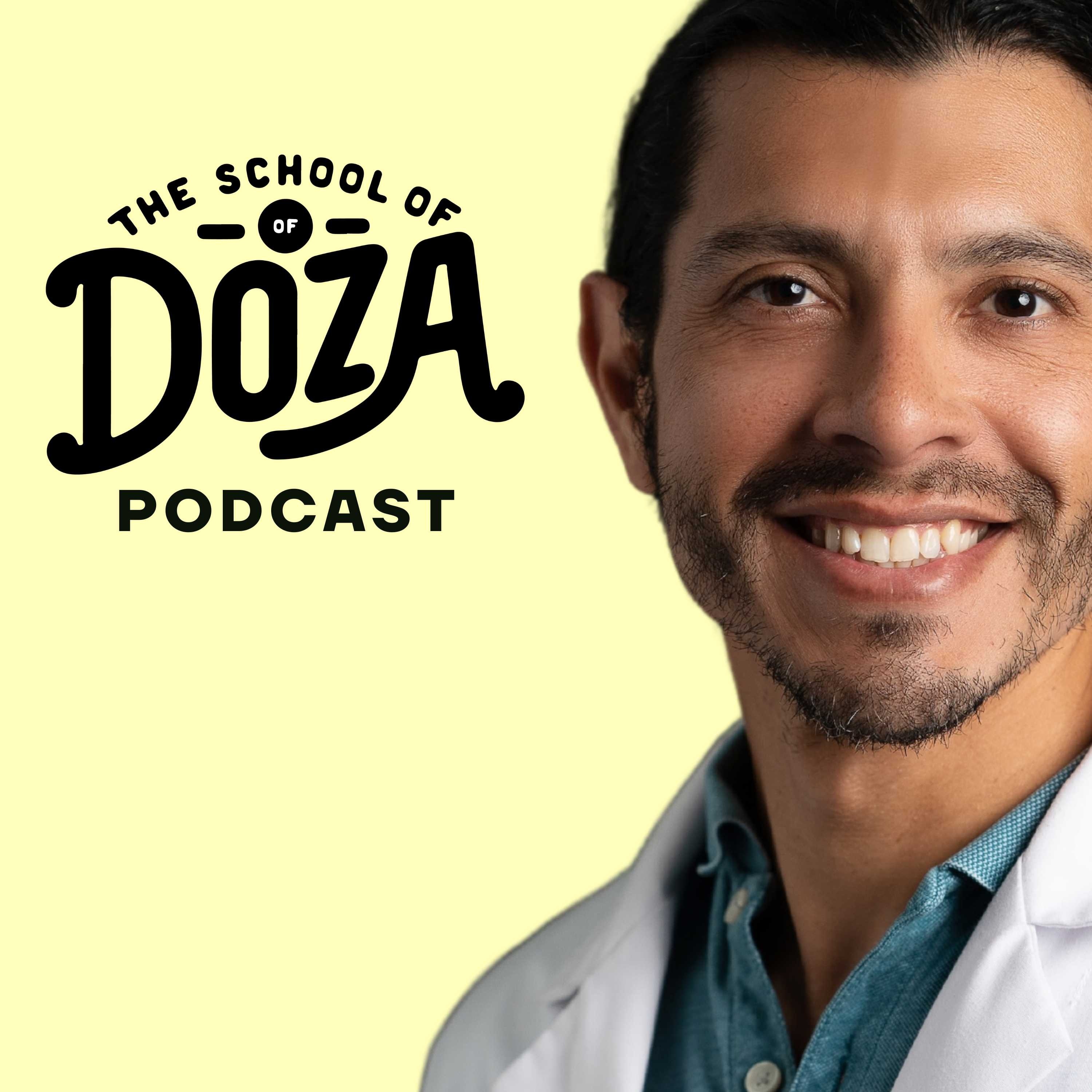
Nurse Doza’s Podcast comes to life in a very interactive way. Sure you can listen to the podcast, but this is just the beginning of your education in health. Every week, Nurse Doza dives into new health subjects and encourages you to submit your questions to be answered on the podcast, newsletter, YouTube, LinkedIn, and every other way that you like to take in educational media.
Episodes
2 days ago
2 days ago
Fibromyalgia and adrenal fatigue go hand in hand — and most people are never told why. In this episode, Nurse Doza breaks down five things you need to understand: why fibromyalgia is a nervous system stuck in fight-or-flight, how your adrenals burn out first, why DHEA-S is the one lab that reveals severity, and how to restore rest-and-digest mode with targeted adrenal and neurotransmitter support.
Featured Product: Zen
Years stuck in fight-or-flight leave your adrenal glands running on empty — and that burnout is the fatigue, poor recovery, and wired-but-tired feeling at the center of fibromyalgia. Zen is an adaptogen formula built for exactly that. It pairs bovine adrenal glandular tissue with a comprehensive blend of botanical adaptogens, B vitamins, and vitamin C to support your stress response, steadier energy, and a calmer nervous system. Take one capsule twice daily to start supporting the system from the inside.
👉 Get Zen here: https://mswnutrition.com/products/zen
5 Key Takeaways
Fibromyalgia is a nervous system issue. The pain, muscle tension, light sleep, and sluggish digestion trace back to a body stuck in sympathetic “fight-or-flight” instead of parasympathetic “rest-and-digest.”
Your adrenals take the first hit. Chronic stress means a constant drip of adrenaline and cortisol until the adrenal glands are overworked and depleted — driving the fatigue that defines fibromyalgia.
DHEA-S is the lab that tells the story. This adrenal marker tracks with stress load; a chronically low DHEA-S (often below 100) is a measurable window into how depleted the system has become.
You can switch back into rest-and-digest. Long exhales, sunlight, movement, better sleep, and removing chronic stressors help reactivate the parasympathetic, vagus-driven side of the nervous system.
Support the adrenals and neurotransmitters. Adrenal glandular tissue, adaptogens, and the building blocks for serotonin, dopamine, acetylcholine, GABA, and melatonin help restore energy and calm — exactly what Zen is formulated to do.
Timestamps
00:00 START – Welcome and episode overview
01:30 – What's happening at the School of Doza ($10 clinical courses)
02:30 – Thing 1: Fibromyalgia is a nervous system issue
04:30 – How fight-or-flight ripples through heart, lungs, and gut
06:30 – Why the inhale traps stress and the exhale releases it
09:00 – Why trigger-point diagnosis misses the root cause
11:00 – Trauma as a driver of being stuck in fight-or-flight
13:00 – Thing 2: The adrenals are the first organ affected
16:00 – Adrenaline, cortisol, and the daily energy crash
18:25 – Thing 3: DHEA-S, the lab that measures severity
20:45 – What your DHEA-S number actually means
23:00 – Thing 4: Restoring the adrenals and rest-and-digest
26:30 – The “four brains” and where neurotransmitters are made
28:30 – Thing 5: Supporting neurotransmitters with Zen, Bliss, and Chill
34:00 – Closing and how to take the next step
Resources
Autonomic Dysfunction in Fibromyalgia (Fibromyalgia Fund) — https://www.fibromyalgiafund.org/autonomic-dysfunction/
Fight, Flight, or Freeze (Harvard Health) — https://www.health.harvard.edu/mindscape/for-young-people/brain-body-connection/fight-flight-or-freeze
DHEA and DHEA-S in Human Health (PMC) — https://pmc.ncbi.nlm.nih.gov/articles/PMC2725024/
Parasympathetic Nervous System (Cleveland Clinic) — https://my.clevelandclinic.org/health/body/23266-parasympathetic-nervous-system-psns
SAMe & Betaine for Mood and Homocysteine (PMC) — https://pmc.ncbi.nlm.nih.gov/articles/PMC4303396/
Adrenal Glandulars Overview (Restart Medicine) — https://www.restartmed.com/adrenal-glandulars/
🔗 Connect with Nurse Doza: JOIN MY SCHOOL for FREE: https://community.schoolofdoza.com/c/start-here • YouTube: https://www.youtube.com/channel/UCwcKyagDi468WscAOWM5VHA • Instagram: https://www.instagram.com/nursedoza/ • Website: http://www.nursedoza.com/ • LinkedIn: https://www.linkedin.com/in/jonathan-mendoza-dc-aprn-np-c-0609a038/ • TikTok: https://www.tiktok.com/@nursedoza • Twitter: https://twitter.com/nursedoza
7 days ago
7 days ago
In this Supplement Ingredients episode, Nurse Doza breaks down phosphatidylcholine—one of his all-time favorite supplements for your liver and brain. He explains why medications and aging deplete your choline, how phosphatidylcholine delivers fast energy, focus, and mental clarity without stimulants or a crash, and why he finally landed on BodyBio after years of testing. If liver issues or cognitive decline are on your radar, this one's a must-listen.
FEATURED PARTNER: BODYBIO
BodyBio Phosphatidylcholine (PC) delivers clean, bioavailable phospholipids that rebuild your cell membranes—supporting the liver and brain function discussed in this episode—with a noticeable "crisp" clarity you can feel in about an hour, no jitters and no crash.
👉 Get BodyBio PC here: https://partners.bodybio.com/DOZA
👉 Use code DOZA at checkout
5 KEY TAKEWAYS
Phosphatidylcholine feeds your brain AND your liver. Your body naturally stores it in both organs, where it supports cell membranes, choline status, and acetylcholine—the neurotransmitter tied to focus and memory.
It's not a stimulant. You get energy, focus, and clarity without jitteriness or a crash, because phosphatidylcholine is something your body already makes and uses.
Medications and aging deplete your choline. Over time you lose stores, which is why supplementing with phosphatidylcholine becomes increasingly important for liver and cognitive health.
Quality and source matter. After years of testing different types, Doza landed on BodyBio for its noticeable, "crisp" clarity you can actually feel within an hour or two.
Simple protocol. Just two BodyBio PC in the morning on an empty stomach—no complicated stacking required.
RESOURCES
Choline – Health Professional Fact Sheet (NIH Office of Dietary Supplements) – Overview of choline status, phosphatidylcholine, and why endogenous production often isn't enough to meet needs.
https://ods.od.nih.gov/factsheets/Choline-HealthProfessional/
Phosphatidylcholine & Your Brain (Alzheimer's Drug Discovery Foundation – Cognitive Vitality) – Evidence review on phosphatidylcholine, acetylcholine synthesis, and cognition.
https://www.alzdiscovery.org/cognitive-vitality/ratings/phosphatidylcholine
Choline and phosphatidylcholine may maintain cognitive performance by multiple mechanisms (American Journal of Clinical Nutrition) – Peer-reviewed look at the mechanistic links between phosphatidylcholine and cognitive performance.
https://ajcn.nutrition.org/article/S0002-9165(22)01320-X/fulltext
Phosphatidylcholine functional foods and nutraceuticals: a potential approach to prevent non-alcoholic fatty liver disease (European Journal of Lipid Science and Technology) – Reviews how phosphatidylcholine may help protect against fatty liver disease.
https://onlinelibrary.wiley.com/doi/full/10.1002/ejlt.201100350
Choline (Linus Pauling Institute, Oregon State University) – Reputable summary of choline/phosphatidylcholine roles in liver and brain health and dietary intake associations with dementia risk.
https://lpi.oregonstate.edu/mic/other-nutrients/choline
CONNECT
🔗 Connect with Nurse Doza:
JOIN MY SCHOOL for FREE: https://community.schoolofdoza.com/c/start-here
YouTube: https://www.youtube.com/channel/UCwcKyagDi468WscAOWM5VHA
Instagram: https://www.instagram.com/nursedoza/
Website: http://www.nursedoza.com/
LinkedIn: https://www.linkedin.com/in/jonathan-mendoza-dc-aprn-np-c-0609a038/
TikTok: https://www.tiktok.com/@nursedoza
Twitter: https://twitter.com/nursedoza
Monday Jun 15, 2026
Monday Jun 15, 2026
Discover why hormones are off and what's really driving the imbalance. In this episode, we break down five root causes — from gut dysfunction and disrupted sleep to chronic stress, appetite dysregulation, and omega-3 deficiency — and walk through what you can actually do to fix it.
FEATURED PRODUCT
Berberine is a powerful botanical compound that acts as a natural GLP-1 supporter — the same metabolic pathway targeted by medications like Ozempic — helping regulate blood sugar, reduce insulin resistance, and restore appetite signaling from the gut. Since metabolic hormones like insulin and leptin are the first to derail your entire hormone cascade, Berberine directly addresses one of the deepest root causes discussed in this episode. It also supports gut microbiome diversity, making it a foundational tool for anyone working to reclaim hormonal balance naturally.
👉 Get Berberine here: https://mswnutrition.com/products/berberine
5 KEY TAKEAWAYS
Your gut microbiome directly regulates your hormones. A specialized subset called the estrobolome — and an enzyme called beta-glucuronidase — controls how estrogen is metabolized and cleared.
Poor sleep is one of the most overlooked hormone disruptors. Deep sleep triggers melatonin and human growth hormone — both of which reset sex hormones, lower cortisol, reduce insulin, and regulate LH and FSH signaling from the brain. Without quality sleep, the entire endocrine cascade is compromised.
Chronic stress drives a hormone cascade that makes everything worse. High cortisol suppresses melatonin, triggers late-night cravings, raises insulin and leptin, and disrupts dopamine — all before it ever touches your estrogen or testosterone levels.
Metabolic hormones fail first — and take sex hormones down with them. Insulin, leptin, cortisol, GLP-1, and ghrelin are the first hormones to go off track. Once they're dysregulated, estrogen, testosterone, and thyroid function follow. Addressing only sex hormones without fixing the metabolic layer is why hormone replacement often fails to deliver results.
Omega-3 DHA is non-negotiable for hormone health. DHA supports testosterone and estrogen production, acts as a prebiotic for the gut microbiome, reduces inflammation (including painful periods), and cannot be obtained in therapeutic amounts through diet alone. Getting enough requires supplementation.
TIMESTAMPS
00:00 START
02:00 – School of Doza announcement and free trial offer
04:30 – Intro to 5 reasons hormones get off track
05:30 – Reason 1: Digestive issues and the gut-hormone connection
07:30 – The estrobolome, beta-glucuronidase, and estrogen regulation
09:30 – The COMT gene and the liver’s role in estrogen metabolism
12:30 – Reason 2: Poor sleep disrupts your entire hormone cascade
14:00 – Melatonin and human growth hormone during deep sleep
16:30 – Bliss supplement, SAMe, and melatonin production
18:00 – Reason 3: Chronic stress and cortisol’s downstream effects
20:00 – Managing cortisol for better hormones and sleep
21:30 – Reason 4: Eating when not hungry and appetite hormone chaos
24:00 – Leptin, insulin, GLP-1, ghrelin, and the gut-appetite axis
28:30 – Reason 5: Not supplementing with omega-3 DHA fish oil
32:00 – Good Poops Protocol, supplement recommendations, and closing
RESOURCES
Gut Microbiota and Estrogen – https://pmc.ncbi.nlm.nih.gov/articles/PMC12438150/
Estrobolome and Estrogen Metabolism – https://pmc.ncbi.nlm.nih.gov/articles/PMC10416750/
Extra-Gonadal Estrogen Synthesis – https://pmc.ncbi.nlm.nih.gov/articles/PMC8395949/
COMT and Estrogen Metabolism – https://www.sciencedirect.com/topics/biochemistry-genetics-and-molecular-biology/estrogen-metabolism
Estrone Hydroxylation Pathways – https://pmc.ncbi.nlm.nih.gov/articles/PMC3052748/
Sleep and Hormones – https://pmc.ncbi.nlm.nih.gov/articles/PMC6017169/
Appetite Hormones: Leptin, GLP-1, and Ghrelin – r. https://www.sciencedirect.com/science/article/pii/S0022316622086758
Leptin and Dopamine – https://pmc.ncbi.nlm.nih.gov/articles/PMC3503485/
Stress, Cortisol, and Food Intake – https://pmc.ncbi.nlm.nih.gov/articles/PMC6620125/
HPA Axis and Appetite – https://pmc.ncbi.nlm.nih.gov/articles/PMC5373497/
Omega-3 and Testosterone in Men – https://onlinelibrary.wiley.com/doi/full/10.1002/fsn3.71062
DHA as a Prebiotic and Gut Modulator – https://pmc.ncbi.nlm.nih.gov/articles/PMC8441440/
Omega-3 PUFA and Ovarian Reserve – https://academic.oup.com/jcem/article-abstract/101/1/324/2806914?redirectedFrom=fulltext&login=false
🔗 Connect with Nurse Doza:
JOIN MY SCHOOL for FREE: https://community.schoolofdoza.com/c/start-here
YouTube: https://www.youtube.com/channel/UCwcKyagDi468WscAOWM5VHA
Instagram: https://www.instagram.com/nursedoza/
Website: http://www.nursedoza.com/
LinkedIn: https://www.linkedin.com/in/jonathan-mendoza-dc-aprn-np-c-0609a038/
TikTok: https://www.tiktok.com/@nursedoza
Twitter: https://twitter.com/nursedoza
Monday Jun 08, 2026
Monday Jun 08, 2026
Drag by 2 PM? In this Supplement Ingredient Series episode, Nurse Doza breaks down NAD+, the coenzyme your cells use to make energy (ATP), and why levels dip with age and stress. He explains how NAD+ injections at home through SHED's provider-guided telehealth program offer a convenient way to support steady all-day energy, sharper focus, and less brain fog. Try it with code DOZA40 for 40% off.
Featured Partner: SHED
SHED is a telehealth provider that ships physician-reviewed NAD+ at-home injection kits, so you can keep a consistent NAD+ routine without booking a clinic IV drip — exactly the kind of convenient, repeatable protocol Nurse Doza describes in this episode. Always follow the dosing and technique guidance from your SHED provider.
👉 Get your NAD+ at-home kit here: https://tryshed.com
👉 Use code DOZA40 for 40% off at: https://tryshed.com
Resources
"Dietary Supplementation With NAD+-Boosting Compounds in Humans" — Review synthesizing the human evidence on oral NAD+ precursors (NR, NMN) for healthy aging and age-related disease.
https://pmc.ncbi.nlm.nih.gov/articles/PMC10692436/ PubMed Central
"The role of NAD+ metabolism and its modulation of mitochondria in aging and disease" (npj Metabolic Health and Disease, 2025) — Explains NAD+'s role as a coenzyme supporting mitochondrial function, and how declining levels track with aging and chronic disorders.
https://www.nature.com/articles/s44324-025-00067-0 Nature
"Age-Dependent Decline of NAD+ — Universal Truth or Confounded Consensus?" — A balanced review weighing how strong the evidence actually is for NAD+ declining with age across species and tissues.
https://www.ncbi.nlm.nih.gov/pmc/articles/PMC8747183/ nih
"Pharmacology and Potential Implications of NAD+ Precursors" — Overview of NAD+ as an essential cofactor for redox reactions and energy metabolism, and how supply drops with age and disease.
https://pmc.ncbi.nlm.nih.gov/articles/PMC8612620/ PubMed Central
"Age-related NAD+ decline" (Perelman School of Medicine) — Notes that NAD+ is an essential metabolite reported to decline with age and that strategies to raise it show promise, while flagging that human data remain limited.
https://pubmed.ncbi.nlm.nih.gov/32097708/ PubMed
Connect with Nurse Doza
🔗 JOIN MY SCHOOL for FREE: https://community.schoolofdoza.com/c/start-here
YouTube: https://www.youtube.com/channel/UCwcKyagDi468WscAOWM5VHA
Instagram: https://www.instagram.com/nursedoza/
Website: http://www.nursedoza.com/
LinkedIn: https://www.linkedin.com/in/jonathan-mendoza-dc-aprn-np-c-0609a038/
TikTok: https://www.tiktok.com/@nursedoza
Twitter: https://twitter.com/nursedoza
Monday Jun 08, 2026
Monday Jun 08, 2026
Discover 5 key autoimmune triggers hiding in your past. From COVID and herpes simplex to staph, Epstein-Barr, and strep infections, Nurse Doza breaks down how past infections can reprogram your immune system to attack your own tissue — and what gut health has to do with it all.
Gut (L-Glutamine) by MSW Nutrition
Gut, featuring 4 grams of pure L-Glutamine per scoop, is the primary fuel source for the cells that line your intestinal wall. When past infections, antibiotics, or chronic stress compromise your gut barrier, your immune system loses its most important line of defense — creating the conditions where autoimmune triggers thrive. Gut helps repair the gut lining, reduce digestive inflammation, and support the immune cells that depend on a healthy gut to function properly. Whether you’re managing an existing autoimmune disorder or working to prevent one, healing your gut is where it starts.
👉 Get Gut here: https://mswnutrition.com/products/gut
5 KEY TAKEAWAYS
Past infections are one of the most underrecognized autoimmune triggers. COVID, herpes simplex, staph, Epstein-Barr, and strep have all been scientifically linked to the development of autoimmune disorders — often years after the original infection.
Molecular mimicry is the hidden mechanism. Some infections look so similar to your own tissue that your immune system gets confused and begins attacking you. This is an active and growing area of clinical research.
You can have multiple autoimmune disorders simultaneously. Most conventional doctors don’t connect the dots. Conditions like POTS, Ehlers-Danlos, PANDAS, and lupus can all be present at once — often rooted in overlapping infection history.
The gut is ground zero for immune regulation. A disrupted gut microbiome — caused by antibiotics, poor diet, and chronic infections — is a major driver of autoimmune disease. Gut dysbiosis doesn’t just cause digestive problems; it rewires your immune response.
Supporting the gut lining is one of the most foundational steps you can take. L-Glutamine patches the holes in a compromised gut lining, calms inflammation, and feeds the immune cells that live in your gut. Combined with Vitamin D, it’s a simple starting protocol for anyone dealing with autoimmune issues.
TIMESTAMPS
00:00 START
03:58 – understanding autoimmune disorders
04:30 – The role of viruses, bacteria, and gut health i
07:02 – #5: COVID
12:20 – #4: Herpes simplex virus
16:03 – #3: Staph infections
20:48 – #2: Epstein-Barr virus
23:09 – #1: Strep infections
28:00 – PANDAS: strep’s role in neurological autoimmune disorders
33:00 – Glutathione, Cunningham Panel, getting your life back
RESOURCES
Environmental Triggers and Chronic Viral Infections: https://pmc.ncbi.nlm.nih.gov/articles/PMC10051805/
Autoimmune Diseases: Symptoms, Causes & Treatment: https://my.clevelandclinic.org/health/diseases/21624-autoimmune-diseases#symptoms-and-causes
COVID-19 and Autoimmune Disease Risk: https://link.springer.com/article/10.1007/s12016-025-09124-4
Autoimmunity as a Driver of Long COVID: https://medicine.yale.edu/news-article/new-evidence-supports-autoimmunity-as-one-of-long-covids-underlying-drivers/
SARS-CoV-2 Autoimmune and Autoinflammatory Responses (PMC): https://pmc.ncbi.nlm.nih.gov/articles/PMC9350728/
Herpes Simplex Virus, Alzheimer’s, and Parkinson’s Disease (PMC): https://pmc.ncbi.nlm.nih.gov/articles/PMC10818483/
Bacterial Infections and Autoimmune Disease Development (PubMed): https://pubmed.ncbi.nlm.nih.gov/28919485/
Gut Microbiota and Innate Immune System in Autoimmune Diseases (PMC): https://pmc.ncbi.nlm.nih.gov/articles/PMC11099291/
Staphylococcus aureus in the Human Microbiome (PMC): https://pmc.ncbi.nlm.nih.gov/articles/PMC9791742/
Epstein-Barr Virus (EBV): https://www.ncbi.nlm.nih.gov/books/NBK459437/
Microbial Triggers of Autoimmune Disease: https://domannualreports.stanford.edu/revealing-microbial-triggers-of-autoimmune-disease/
Epstein-Barr Virus and Autoimmune Diseases: https://www.nih.gov/news-events/nih-research-matters/epstein-barr-virus-autoimmune-diseases
EBV and Cognitive Decline in Alzheimer’s Disease (PMC): https://pmc.ncbi.nlm.nih.gov/articles/PMC8784775/
Strep Infections, Autoimmune Disease, and PANDAS (PMC): https://pmc.ncbi.nlm.nih.gov/articles/PMC10920276/
Understanding PANDAS: https://pandasnetwork.org/understanding-pandas/
JOIN MY SCHOOL for FREE: Every Wednesday, Nurse Doza hosts a live group consult. Bring your questions about autoimmune triggers, gut health, labs, supplements, or anything in between. These sessions are live only and not recorded, so showing up matters.
👉 https://community.schoolofdoza.com/c/start-here
• YouTube: https://www.youtube.com/channel/UCwcKyagDi468WscAOWM5VHA
• Instagram: https://www.instagram.com/nursedoza/
• Website: http://www.nursedoza.com/
• LinkedIn: https://www.linkedin.com/in/jonathan-mendoza-dc-aprn-np-c-0609a038/
• TikTok: https://www.tiktok.com/@nursedoza
• Twitter: https://twitter.com/nursedoza
Thursday Jun 04, 2026
Thursday Jun 04, 2026
Think energy, digestion, and weight. In this episode, Nurse Doza breaks down berberine — the metabolism-supporting supplement that helps regulate blood sugar, support a healthy insulin response, and improve cholesterol (LDL, HDL, total). Discover why MSW Nutrition’s Berberine Plus is 5x more absorbable in the gut, how to dose it morning and night, and why it works at the level of your gut microbiome. The berberine supplement your metabolism has been waiting for.
Featured Partner: MSW Nutrition — Berberine Plus
MSW Nutrition’s Berberine Plus delivers dihydroberberine (DHB) — the bioactive, highly absorbable form of berberine sourced from Berberis aristata — so you get berberine’s full metabolic benefits at a fraction of the dose, without the gut upset that comes from mega-dosing standard berberine. That enhanced absorption is exactly why it’s the berberine supplement Nurse Doza reaches for to support blood sugar, digestion, and weight — as discussed in this episode.
👉 Get Berberine Plus here: Biggest sale of the year — Buy 2, Get 1 Free at: https://berberine.mswnurition.com
5 Key Takeaways
Berberine works with your blood sugar, not against it. You have insulin receptors throughout your body, and you do need some blood sugar — just not too much. Berberine helps lower blood glucose and support a healthy insulin response primarily when levels run high, rather than forcing them down indiscriminately.
It’s not just blood sugar — it’s your cholesterol too. Beyond glucose and insulin, berberine has been shown to support healthier lipid numbers, including LDL, total cholesterol, and triglycerides — a major reason it’s a metabolism all-rounder.
Absorption is everything — and DHB is the upgrade. Standard berberine is notoriously hard to absorb. Berberine Plus uses dihydroberberine, roughly 5x more absorbable in the gut, so a smaller dose delivers comparable effects with less digestive distress.
Your gut microbiome is where the magic happens. Most berberine stays in the intestinal lumen and works at a cellular level inside the gut — reshaping the microbiome and its metabolites, which is a key part of how it improves glucose and lipid metabolism.
Timing matters: think morning and night. A morning dose (with or without food) supports daytime blood sugar; an optional second evening dose supports overnight digestion and metabolic recovery while you sleep.
Resources
“Absorption Kinetics of Berberine and Dihydroberberine and Their Impact on Glycemia” (Nutrients, 2022) — Randomized, controlled, crossover pilot trial showing low-dose dihydroberberine produced significantly greater plasma berberine than a 500 mg dose of standard berberine, confirming DHB’s superior oral absorption.
https://www.ncbi.nlm.nih.gov/pmc/articles/PMC8746601/
“Glucose-Lowering Effect of Berberine on Type 2 Diabetes: A Systematic Review and Meta-Analysis” (Frontiers in Pharmacology, 2022) — Meta-analysis of 37 randomized controlled trials (3,048 patients) finding berberine significantly reduces fasting plasma glucose, HbA1c, and 2-hour postprandial glucose without causing hypoglycemia.
https://www.ncbi.nlm.nih.gov/pmc/articles/PMC9709280/
“Effects of Administering Berberine Alone or in Combination on Type 2 Diabetes Mellitus: A Systematic Review and Meta-Analysis” (2024) — Analysis of 50 studies (4,150 participants) showing berberine alone significantly reduced fasting glucose, postprandial glucose, LDL cholesterol, total cholesterol, and triglycerides.
https://pubmed.ncbi.nlm.nih.gov/39640489/
“The Effect of Berberine Supplementation on Glycemic Control and Inflammatory Biomarkers in Metabolic Disorders: An Umbrella Meta-Analysis” (2023) — Umbrella review pooling multiple meta-analyses, demonstrating berberine improves fasting blood glucose, HbA1c, insulin, and HOMA-IR while lowering inflammatory markers (IL-6, TNF-α, CRP).
https://pubmed.ncbi.nlm.nih.gov/38016844/
“Berberine–Microbiota Interplay: Orchestrating Gut Health” (Frontiers in Microbiology, 2023) — Review explaining how berberine, which largely remains in the gut, works by modulating microbiota composition and short-chain fatty acid production to drive its metabolic benefits.
https://pmc.ncbi.nlm.nih.gov/articles/PMC10733463/
Connect with Nurse Doza
🔗 JOIN MY SCHOOL for FREE: https://community.schoolofdoza.com/c/start-here
YouTube: https://www.youtube.com/channel/UCwcKyagDi468WscAOWM5VHA
Instagram: https://www.instagram.com/nursedoza/
Website: http://www.nursedoza.com/
LinkedIn: https://www.linkedin.com/in/jonathan-mendoza-dc-aprn-np-c-0609a038/
TikTok: https://www.tiktok.com/@nursedoza
Twitter: https://twitter.com/nursedoza
Monday Jun 01, 2026
Monday Jun 01, 2026
Serotonin does far more than regulate mood — 90% of it is made in your gut, not your brain. In this episode, Nurse Doza breaks down exactly what serotonin does, why so many people are unknowingly depleted, and how to naturally restore levels through gut health, B vitamins, sunlight, and targeted supplementation.
FEATURED PRODUCT
|
Bliss by MSW Nutrition Serotonin production depends on methylation — and if your methylation pathways are sluggish, you can be doing everything right and still come up short. Bliss is a lemon-flavored sublingual powder featuring TMG (trimethylglycine), a powerful methyl donor that directly supports the methylation reactions your body needs to synthesize serotonin and dopamine. As discussed in this episode, the MTHFR gene, B vitamins, and SAMe are all essential cofactors in serotonin production — and Bliss is formulated to address exactly that gap. Just place it on your tongue and let it absorb in seconds. One serving a day is all it takes. 👉 Get Bliss here: https://mswnutrition.com/products/bliss |
JOIN THE SCHOOL OF DOZA
|
If this episode opened your eyes to the gut-serotonin connection, imagine going even deeper. Inside the School of Doza, you'll find a full MTHFR course that explains exactly how your genetics affect your ability to produce serotonin, dopamine, and other neurotransmitters — and what you can do about it. Whether you're dealing with anxiety, mood swings, poor sleep, or brain fog, you're not alone in that journey. Our community is full of people working on the same root causes, and every Wednesday we host a live group consult (Ask Me Anything session) where you can bring your questions and get real answers — just like a private consultation, but with a room full of people who get it. 👉 Start your free trial: https://community.schoolofdoza.com/c/start-here |
5 KEY TAKEAWAYS
- 90% of serotonin is made in your gut — not your brain. If your gut health is compromised, your serotonin production is compromised. Depression, anxiety, and mood disorders often have a digestive root cause that standard care rarely addresses.
- Gut dysbiosis — from antibiotics, processed foods, dairy, and poor diet — disrupts the bacterial enzymes and cofactors (like 5-HTP and TPH1) that your microbiome uses to synthesize serotonin. Healing the gut is foundational to healing the mood.
- Serotonin converts to melatonin at night. If you're low on serotonin, you're also likely low on melatonin — which explains why gut problems, depression, and insomnia so often travel together.
- B vitamins — especially B6 (P5P), B9 (methylfolate), and B12 — are essential cofactors for serotonin synthesis. MTHFR gene variants impair the methylation pathway that drives this process, making methylated B vitamins and methyl donors like SAMe critical for many people.
- Sunlight and exercise are among the most powerful natural serotonin activators. Combined with gut repair, B vitamin support, and targeted supplementation like Bliss, these lifestyle inputs can meaningfully shift your serotonin baseline without relying solely on medication.
TIMESTAMPS
00:00 – START – Welcome and episode overview
02:00 – Serotonin 101: what it is and why 90% is made in your gut
03:48 – School of Doza spotlight: the MTHFR course
06:46 – Serotonin and depression: what we've gotten wrong
09:08 – The gut microbiome: good bacteria, bad bacteria, and neurotransmitter production
11:31 – Antibiotics, 5-HTP, and how your gut makes serotonin
13:56 – Food, dairy, and diet choices that wreck your gut microbiome
16:23 – Why SSRIs alone aren't enough — and what to do instead
17:28 – Serotonin converts to melatonin: the gut-sleep connection
20:00 – The insomnia-depression-gut triangle
21:05 – B vitamins and methylation: essential cofactors for serotonin
23:18 – MTHFR, the liver, SAMe, and Bliss by MSW Nutrition
25:30 – The 5th factor: sunlight, exercise, and a full serotonin reset protocol
28:21 – Bliss — sublingual methylation support for serotonin and dopamine
RESOURCES
- Serotonin Overview — Cleveland Clinic — Comprehensive guide to what serotonin is, what it does, and how it affects the body.
https://my.clevelandclinic.org/health/articles/22572-serotonin
- Gut Microbiota and Serotonin Synthesis — ScienceDirect — Peer-reviewed research on how gut bacteria directly influence serotonin production, kynurenine pathways, bile acids, and vitamin cofactors.
https://www.sciencedirect.com/science/article/pii/S2950194626000142
- Serotonin to Melatonin Conversion — PMC/NIH — Research on the biochemical pathway by which serotonin is converted into melatonin, including the role of SAMe as a cofactor.
https://pmc.ncbi.nlm.nih.gov/articles/PMC8659113/
- B Vitamins and Neurotransmitter Synthesis — PMC/NIH — Research on how B6, B9 (folate), and B12 act as rate-limiting cofactors in serotonin, dopamine, GABA, and melatonin production.
https://pmc.ncbi.nlm.nih.gov/articles/PMC4772032/
🔗 Connect with Nurse Doza
JOIN MY SCHOOL for FREE: https://community.schoolofdoza.com/c/start-here
YouTube: https://www.youtube.com/channel/UCwcKyagDi468WscAOWM5VHA
Instagram: https://www.instagram.com/nursedoza/
Website: http://www.nursedoza.com/
LinkedIn: https://www.linkedin.com/in/jonathan-mendoza-dc-aprn-np-c-0609a038/
TikTok: https://www.tiktok.com/@nursedoza
Twitter: https://twitter.com/nursedoza
Monday May 25, 2026
Monday May 25, 2026
Chronic inflammation is silently driving some of the most common diseases today — and most people have no idea it's happening. In this episode, Nurse Doza breaks down five hidden triggers: poor sleep, refined grains, low vitamin D, omega-3 deficiency, and digestive issues — and exactly what you can start doing about each one today.
FEATURED PRODUCT
Liver Boost – MSW Nutrition
Chronic inflammation doesn't just live in your joints or your gut — your liver is at the center of it all. The liver filters inflammatory byproducts, processes environmental toxins, manages hormones, and supports fat digestion. When it's overburdened, your inflammatory load goes up. Liver Boost from MSW Nutrition is formulated with N-acetyl-L-cysteine (NAC), milk thistle, and selenium to support liver detoxification, protect your antioxidant defenses, and ease the total burden your body is carrying — making it a natural complement to everything discussed in this episode.
👉 Get Liver Boost here: https://mswnutrition.com/products/liver-boost
JOIN THE SCHOOL OF DOZA
Chronic inflammation is personal — and figuring out what's driving yours requires more than a podcast. Inside the School of Doza, you'll find a community of people working through the same issues: sleep optimization, gut health, autoimmune conditions, lab interpretation, and more. Every Wednesday, join a live Ask Me Anything session that functions like a group consult — bring your labs, your questions, your protocols, and get real answers in real time. Your first seven days are completely free.
👉 Start your free trial: https://community.schoolofdoza.com/c/start-here
5 KEY TAKEAWAYS
Poor sleep is one of the most overlooked drivers of chronic inflammation — it suppresses melatonin (a powerful antioxidant), raises inflammatory markers like IL-6, and is directly tied to heart disease, dementia, fatty liver, and weight gain.
Refined grains — bread, rice, pasta, corn — damage the gut lining, creating leaky gut that allows toxins, pathogens, and inflammatory particles to enter the bloodstream and fuel systemic inflammation.
Vitamin D deficiency is extremely common and directly linked to chronic inflammation, weakened immunity, heart disease, depression, and dozens of other conditions. Daily supplementation of vitamin D3 + K2 (5,000 IU) is a non-negotiable baseline.
Most people are omega-3 deficient and omega-6 overloaded from seed oils (canola, corn, peanut, safflower) — this imbalance creates a pro-inflammatory environment. Eating more fatty fish or taking a quality fish oil helps correct it.
Leaky gut is a root cause of systemic inflammation. When the gut barrier is compromised, it contributes to autoimmune disorders, fatty liver, hormone imbalances, and even dementia. L-glutamine, NAC, and zinc help restore tight junction integrity and begin the healing process.
TIMESTAMPS
00:00 – START – Welcome and episode overview
01:55 – The five silent drivers of chronic inflammation introduced
02:15 – What's happening inside the School of Doza
03:27 – Silent driver #1: Poor sleep and its link to inflammation
05:52 – How sleep detoxifies the body and resets hormones
08:13 – Silent driver #2: Refined grains and leaky gut
10:38 – Emotional eating, autoimmune conditions, and Hashimoto's
12:46 – Silent driver #3: Low vitamin D and immune dysfunction
15:09 – Vitamin D, COVID, and clinical observations
17:08 – Silent driver #4: Not eating enough fish and omega-3 deficiency
19:21 – Seed oils, omega-6s, and the pro-inflammatory response
20:36 – Silent driver #5: Digestive issues and leaky gut
22:45 – How leaky gut contributes to systemic disease
25:08 – L-glutamine, NAC, and gut barrier restoration
27:28 – Closing and call to action
RESOURCES
Chronic Sleep Loss and Inflammation – Discusses how sleep deprivation raises inflammatory cytokines like IL-6 and TNF-α, lowers melatonin, and impairs immune cell activity.
https://pmc.ncbi.nlm.nih.gov/articles/PMC12296019/
Foods That Can Cause Inflammation – Covers refined carbohydrates, seed oils, and omega-6-rich foods that drive pro-inflammatory responses, per the Cleveland Clinic.
https://health.clevelandclinic.org/foods-that-can-cause-inflammation
Vitamin D and Inflammatory Disease – .
https://pmc.ncbi.nlm.nih.gov/articles/PMC4070857/
The Digestive Tract as the Origin of Systemic Inflammation – R
https://pmc.ncbi.nlm.nih.gov/articles/PMC5067918/
Glutamine, NAC, and Zinc in Gut Barrier Restoration –
https://pmc.ncbi.nlm.nih.gov/articles/PMC4369670/
CONNECT
🔗 Connect with Nurse Doza:
JOIN MY SCHOOL for FREE: https://community.schoolofdoza.com/c/start-here
YouTube: https://www.youtube.com/channel/UCwcKyagDi468WscAOWM5VHA
Instagram: https://www.instagram.com/nursedoza/
Website: http://www.nursedoza.com/
LinkedIn: https://www.linkedin.com/in/jonathan-mendoza-dc-aprn-np-c-0609a038/
TikTok: https://www.tiktok.com/@nursedoza
Twitter: https://twitter.com/nursedoza
Thursday May 21, 2026
Thursday May 21, 2026
Your mood struggles might not be a mindset problem — they might be a methylation problem. In this episode, Nurse Doza breaks down the TMG supplement (trimethylglycine), how it drives serotonin and dopamine production, and why pairing it with SAMe in BLISS delivers clean energy and mood support — no caffeine, no stimulants, results in minutes.
Featured Partner: MSW Nutrition — BLISS
BLISS by MSW Nutrition combines two of the most underutilized mood-support compounds in functional medicine — trimethylglycine (TMG) and SAMe — in a fast-absorbing sublingual powder. Together, they fuel the methylation pathways your body needs to produce serotonin, dopamine, and sustainable energy — exactly the mechanisms Nurse Doza unpacks in this episode. No caffeine. No fillers. No stimulants. Just the two ingredients your brain chemistry has been waiting for.
👉 Get BLISS here: bliss.mswnutrition.com
5 Key Takeaways
1. TMG is a methyl donor, not a stimulant.
Unlike caffeine or pre-workout compounds, trimethylglycine works by donating methyl groups to critical biochemical pathways. This directly supports the production of serotonin, dopamine, and norepinephrine — the neurotransmitters behind mood, motivation, and mental clarity.
2. The MTHFR gene affects more people than doctors realize.
Variants in the MTHFR gene reduce the body’s ability to convert folate into active methylfolate, impairing neurotransmitter synthesis. Research shows 74% of treatment-resistant depression cases test positive for MTHFR polymorphism. The TMG supplement directly supports this compromised methylation pathway.
3. SAMe is one of the most clinically studied mood compounds available.
A 2024 meta-analysis of 23 randomized controlled trials (N=2,234) confirmed that SAMe produced significantly greater reductions in depressive symptoms compared to placebo. TMG raises SAMe levels in the body — making the BLISS stack a powerful, evidence-backed combination.
4. Sublingual delivery accelerates results.
BLISS is formulated as a sublingual powder, bypassing the digestive tract and delivering TMG and SAMe directly into the bloodstream. That’s why users can feel a difference in seconds to minutes — not hours. The absorption advantage is real.
5. This is clean energy — not stimulant energy.
The energy benefit of BLISS is neurotransmitter-driven, not caffeine-driven. By supporting healthy dopamine and serotonin levels, TMG and SAMe restore the natural energy and focus that emerges when your brain chemistry is actually balanced. No crash. No dependency.
Resources
“Efficacy and acceptability of S-adenosyl-L-methionine (SAMe) for depressed patients: A systematic review and meta-analysis”
2024 meta-analysis of 23 randomized controlled trials (N=2,234) demonstrating SAMe showed significantly greater reduction in depressive symptoms compared to placebo, establishing it as a well-tolerated, evidence-backed mood support compound.
https://www.ncbi.nlm.nih.gov/pmc/articles/PMC11863058/
“MTHFR Gene Polymorphism Positive Treatment-Resistant Depression: Prevalence and Treatment Recommendations”
Peer-reviewed analysis showing 74% of treatment-resistant depression cases tested positive for MTHFR genetic polymorphism, with methylation support identified as a primary intervention pathway — directly validating TMG’s role in mood support.
https://www.jneuropsychiatry.org/peer-review/mthfr-gene-polymorphism-positive-treatmentresistant-depression-prevalence-and-treatment-recommendations.html
“Investigation of betaine as a novel psychotherapeutic”
PMC study demonstrating betaine (TMG) supplementation improved cognitive performance and suppressed abnormal behavioral responses in animal models, highlighting its role in brain methylation and neurological health.
https://pmc.ncbi.nlm.nih.gov/articles/PMC6642071/
“S-adenosylmethionine blood levels in major depression: changes with drug treatment”
PubMed clinical trial finding 62% of SAMe-treated patients showed significant improvement, with plasma SAMe levels directly correlated to the degree of clinical improvement in depressed patients — regardless of treatment type.
https://pubmed.ncbi.nlm.nih.gov/7941961/
“Betaine: A Nutrient with Multiple Health-Promoting Effects”
Comprehensive MDPI review covering betaine’s (TMG’s) biological roles as a methyl donor in methylation balance, epigenetic regulation, mitochondrial function, and its evidence-based effects on cognitive, cardiovascular, and metabolic health across species.
https://www.mdpi.com/2076-3921/14/7/771
Connect with Nurse Doza
🔗 JOIN MY SCHOOL for FREE: community.schoolofdoza.com/c/start-here
YouTube: https://www.youtube.com/channel/UCwcKyagDi468WscAOWM5VHA
Instagram: https://www.instagram.com/nursedoza/
Website: http://www.nursedoza.com/
LinkedIn: https://www.linkedin.com/in/jonathan-mendoza-dc-aprn-np-c-0609a038/
TikTok: https://www.tiktok.com/@nursedoza
Twitter: https://twitter.com/nursedoza
Monday May 18, 2026
Monday May 18, 2026
Dopamine controls your motivation, focus, mood, and reward system — and most people are running low without realizing it. In this episode, Nurse Doza breaks down what dopamine actually does in the body, why deficiency is far more common than most people think, how your gut produces 50% of it, and the natural steps you can take to restore healthy levels.
FEATURED PRODUCT: BLISS
Bliss by MSW Nutrition is a lemon-flavored sublingual powder built around SAMe and TMG — two powerful methyl donors that directly support your body’s natural dopamine and serotonin production through the methylation pathway. If you’re feeling flat, foggy, or low-mood, methylation may be the missing link. One powder stick dissolved on your tongue — no water needed — and you may feel the difference within seconds to minutes. Bliss also supports glutathione production, liver health, and MTHFR function, making it one of the most targeted neurotransmitter support supplements available.
👉 Get Bliss here: https://mswnutrition.com/products/bliss
5 KEY TAKEAWAYS
Your lifestyle drives dopamine production — morning sunlight, exercise, quality sleep, music, and meditation are all proven natural dopamine boosters your body responds to every single day.
Most people are dopamine deficient — driven by overstimulation, poor sleep, gut dysfunction, and modern demands that drain the system faster than it can replenish.
50% of your dopamine is made in your gut — digestive issues like bloating, SIBO, leaky gut, or dysbiosis can directly tank your mood, focus, and motivation.
Dopamine is the engine behind addiction — when levels are chronically low or the reward system is dysregulated, the brain compulsively seeks dopamine hits from food, substances, screens, risky behavior, or work.
Key nutrients support natural dopamine synthesis — Vitamin B6, B9 (folate), iron, Vitamin C, and SAMe are essential cofactors in the dopamine production pathway and can be supported through targeted supplementation.
TIMESTAMPS
00:00 START – Welcome and episode overview
02:00 – What dopamine is and why so many people are running low
04:00 – School of Doza: MTHFR course announcement
05:00 – The 5 things you need to know about dopamine
05:30 – #1: Healthy ways to naturally produce dopamine
07:00 – Morning sunlight, exercise, sleep, music, and meditation
08:00 – #2: Why most people are dopamine deficient
09:30 – #3: How the gut produces 50% of your dopamine
12:00 – Dopamine receptors found throughout the entire body
13:30 – Dopamine’s conversion pathway to norepinephrine and adrenaline
15:00 – #4: How dopamine drives addiction and compulsive behavior
18:30 – The neuroscience of hugs and emotional connection
20:00 – Opioid addiction through the lens of dopamine deficiency
21:00 – #5: Natural nutrients that support dopamine production
24:00 – Bliss by MSW Nutrition, action steps, and closing thoughts
JOIN THE SCHOOL OF DOZA
If today’s episode on dopamine left you with questions about your own focus, mood, or motivation — the School of Doza is where you go to get real answers. Inside, you’ll find a community of people actively working on the same things you are: gut health, neurotransmitter support, energy, mental clarity, and sustainable lifestyle habits. Every Wednesday, Nurse Doza hosts a live AMA session that functions as a group consult — the kind of access that typically takes months to book privately. You bring your questions, he brings the clinical insight. Whether you’re navigating dopamine deficiency, gut issues, or just want a clear and personalized plan — this is your room.
👉 Start your free trial: https://community.schoolofdoza.com/c/start-here
RESOURCES
1. SAMe and Neurotransmitter Synthesis — https://pmc.ncbi.nlm.nih.gov/articles/PMC11435340/
2. How to Increase Dopamine Naturally — https://www.healthline.com/nutrition/how-to-increase-dopamine#fa-qs
3. Dopamine Metabolism and the Gut-Brain Axis — https://pmc.ncbi.nlm.nih.gov/articles/PMC11469830/
4. Gut Microbiome and Dopaminergic Pathways — https://www.mdpi.com/2306-5354/13/1/55
5. B Vitamins and Neurotransmitter Production — Examines how B6 and folate serve as rate-limiting cofactors in dopamine and serotonin synthesis. https://pmc.ncbi.nlm.nih.gov/articles/PMC4772032/
6. Good Poops Protocol by MSW Nutrition — Gut health supplement bundle to support the microbiome and neurotransmitter production. https://goodpoops.org
7. Bliss by MSW Nutrition — Sublingual SAMe and TMG powder supporting methylation, dopamine, and serotonin production. https://mswnutrition.com/products/bliss
CONNECT
🔗 Connect with Nurse Doza:
JOIN MY SCHOOL for FREE: https://community.schoolofdoza.com/c/start-here
YouTube: https://www.youtube.com/channel/UCwcKyagDi468WscAOWM5VHA
Instagram: https://www.instagram.com/nursedoza/
Website: http://www.nursedoza.com/
LinkedIn: https://www.linkedin.com/in/jonathan-mendoza-dc-aprn-np-c-0609a038/
TikTok: https://www.tiktok.com/@nursedoza
Twitter: https://twitter.com/nursedoza